Analysis and outreach
Spain and the Green Vision: a long-term commitment to development and protection of the territory
The world is changing, the planet's resources are dwindling and rural communities face an unprecedented climate scenario. Thanks to its privileged geographical position and a thousand-year-old agricultural tradition, Spain plays a key role in the transition towards a cleaner, fairer and more resilient energy model. This educational report offers a calm reading of the present moment, without sensationalist language, with the aim of making the essential data available to all readers who want to understand the shared future we are building.
Global warming: a shared challenge
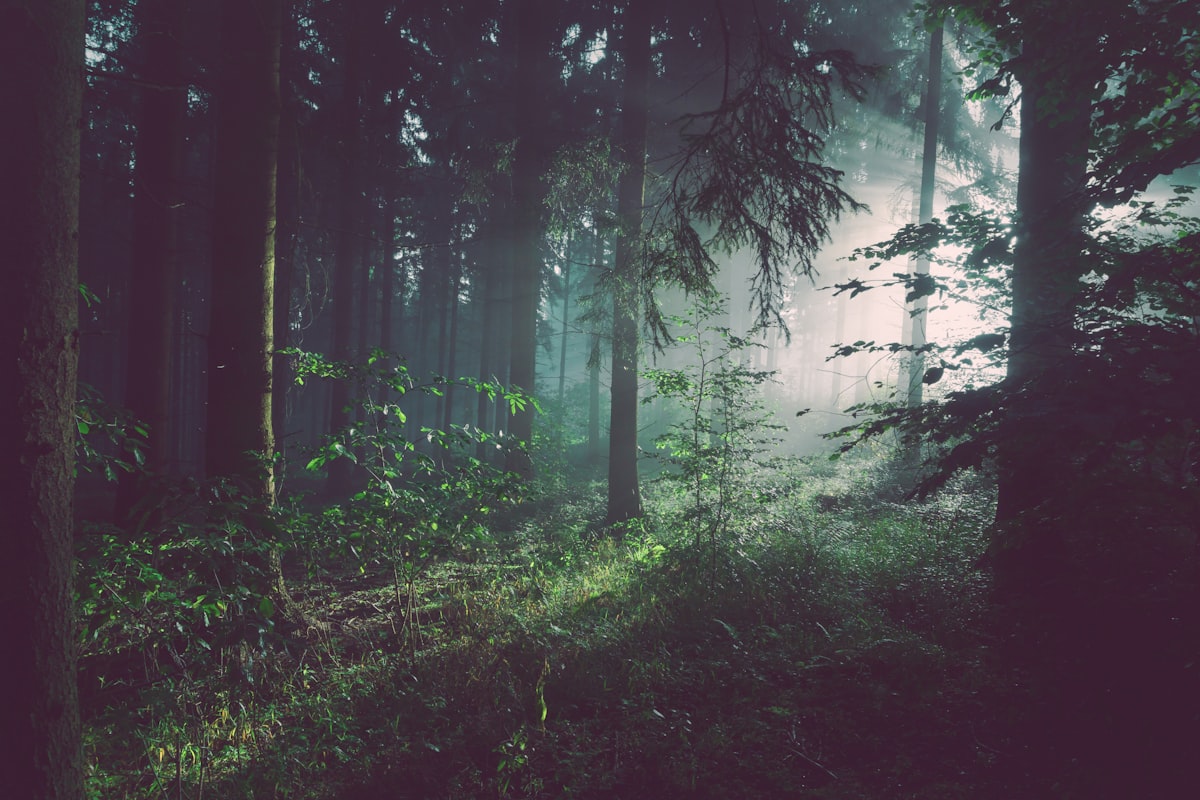
The sustained rise of average temperatures across the Iberian Peninsula has shifted the seasonal cycles, extended dry periods and increased the risk of forest fires. Protecting soils, aquifers and biodiversity has become a shared task involving public administrations, local communities and research centres.
Facing this scenario, the development of evidence-based public policies offers a clear framework: reducing greenhouse gas emissions, restoring degraded ecosystems and promoting responsible consumption habits. Accessible and rigorous environmental education is the first tool for change.
Spain's role in renewable energy
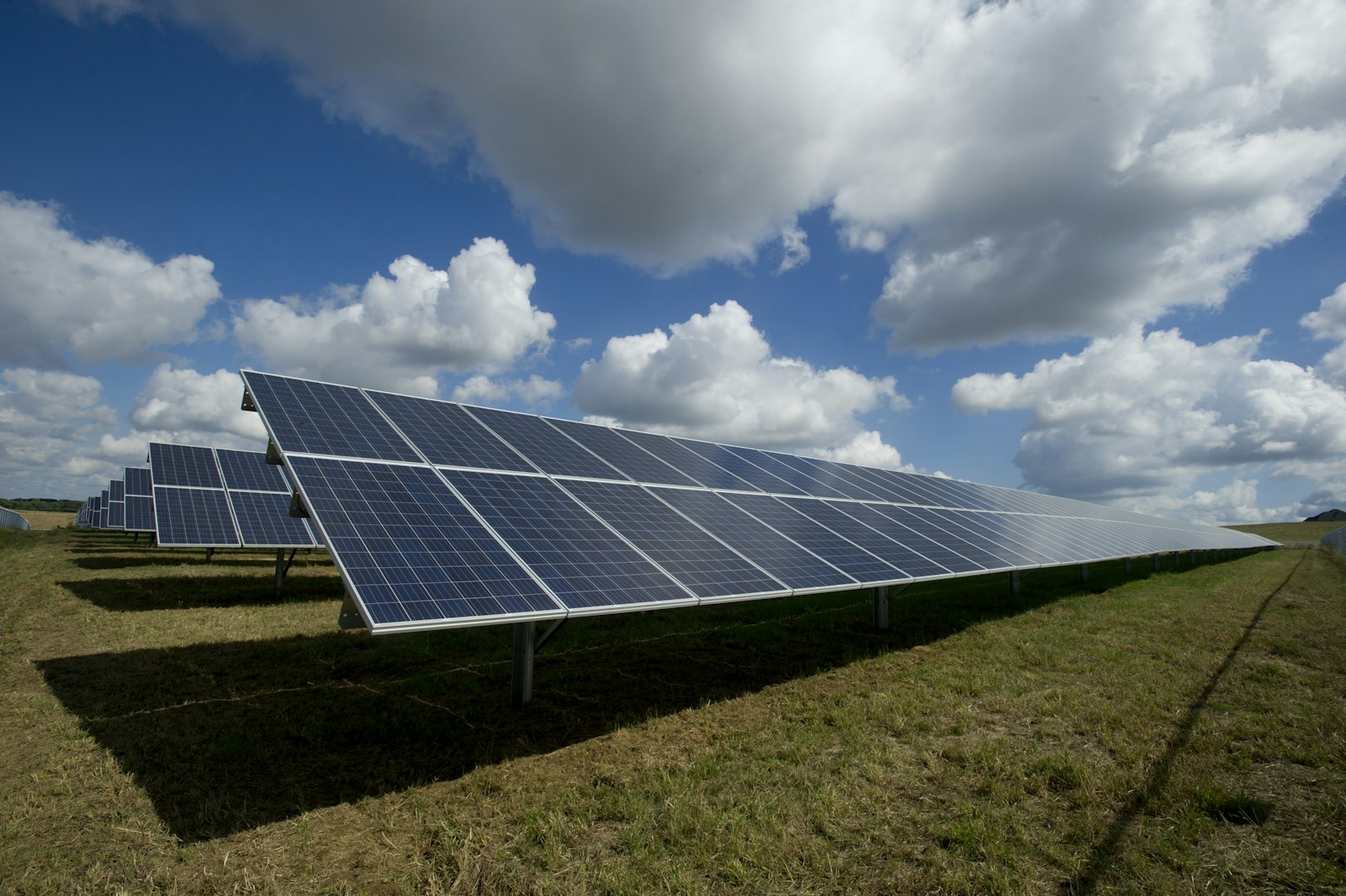
Spain enjoys more than 2,500 hours of sunshine per year across most of its territory, a natural advantage that places the country at the European forefront of solar photovoltaic and concentrated solar development. Spanish energy companies, alongside cooperatives and local self-consumption communities, are driving projects that combine technical efficiency with respect for the landscape.
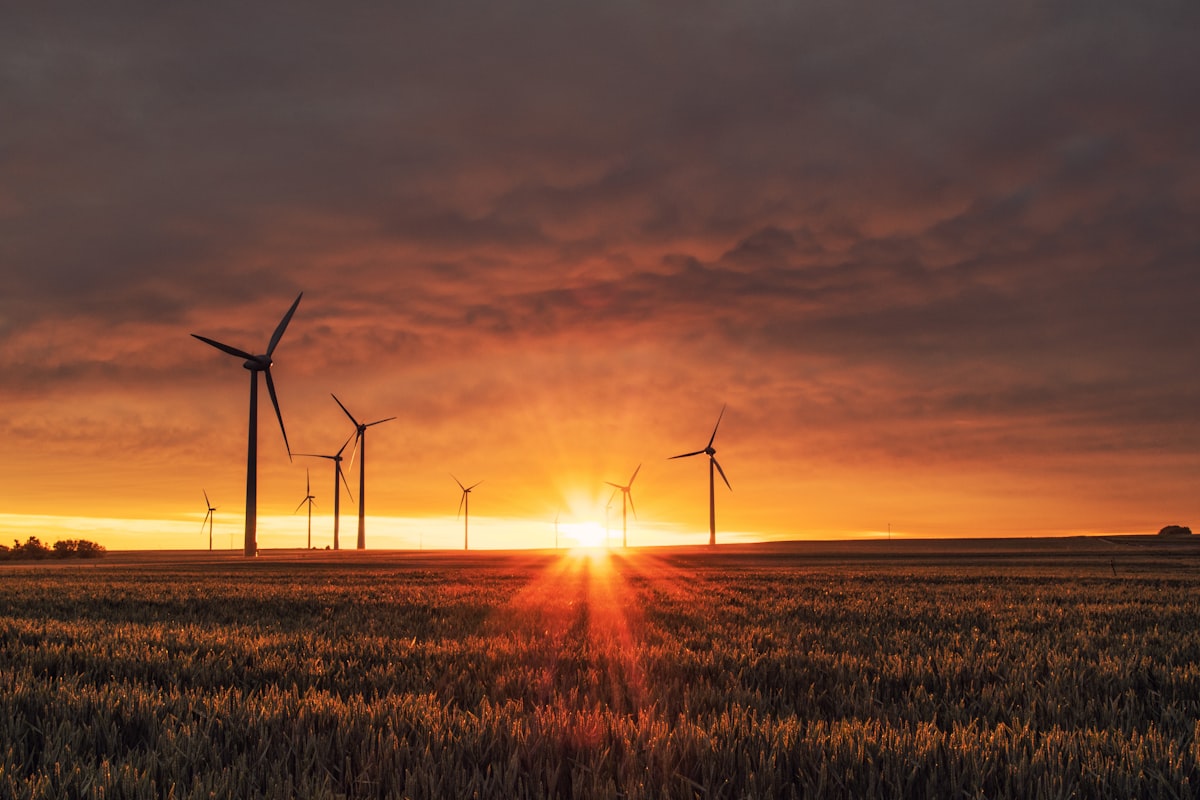
Alongside the sun, Atlantic winds and water reservoirs contribute to an increasingly diversified electricity mix. The protection of the environment and territorial planning are essential conditions to ensure this expansion is orderly, supports rural cohesion and respects the protected areas of the Natura 2000 Network.
The future of farming: tradition and agritech
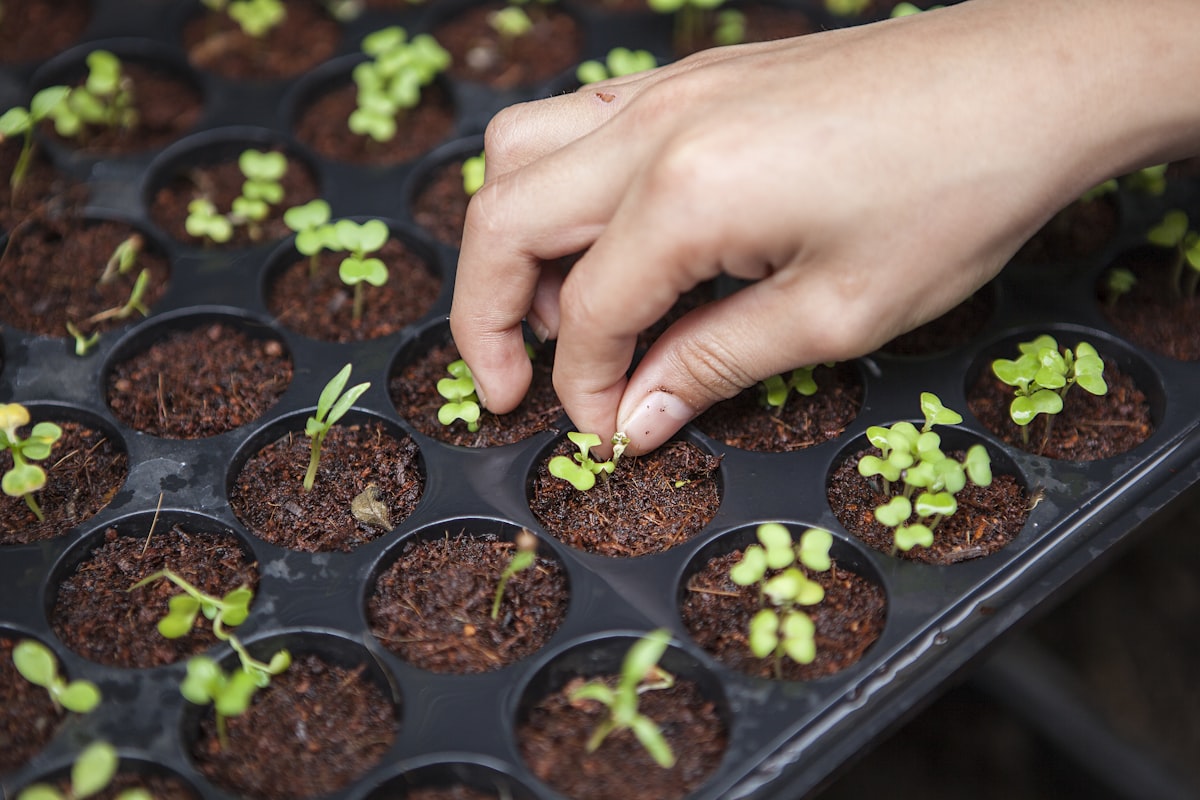
Agriculture 5.0 combines knowledge inherited across generations with climate sensors, precision irrigation and data models that allow more to be grown with fewer resources. In the Castilian plains, the Levantine market gardens or the Andalusian olive groves, this new way of working the land helps preserve soils and aquifers.
Cooperation between universities, technology centres and family farms forms the basis of sustainable agricultural development. The goal is not to produce at any cost, but to produce better: with less water, fewer inputs, greater biodiversity and stronger protection of the cultural landscape that defines Spain.
Responsible communication and citizen participation
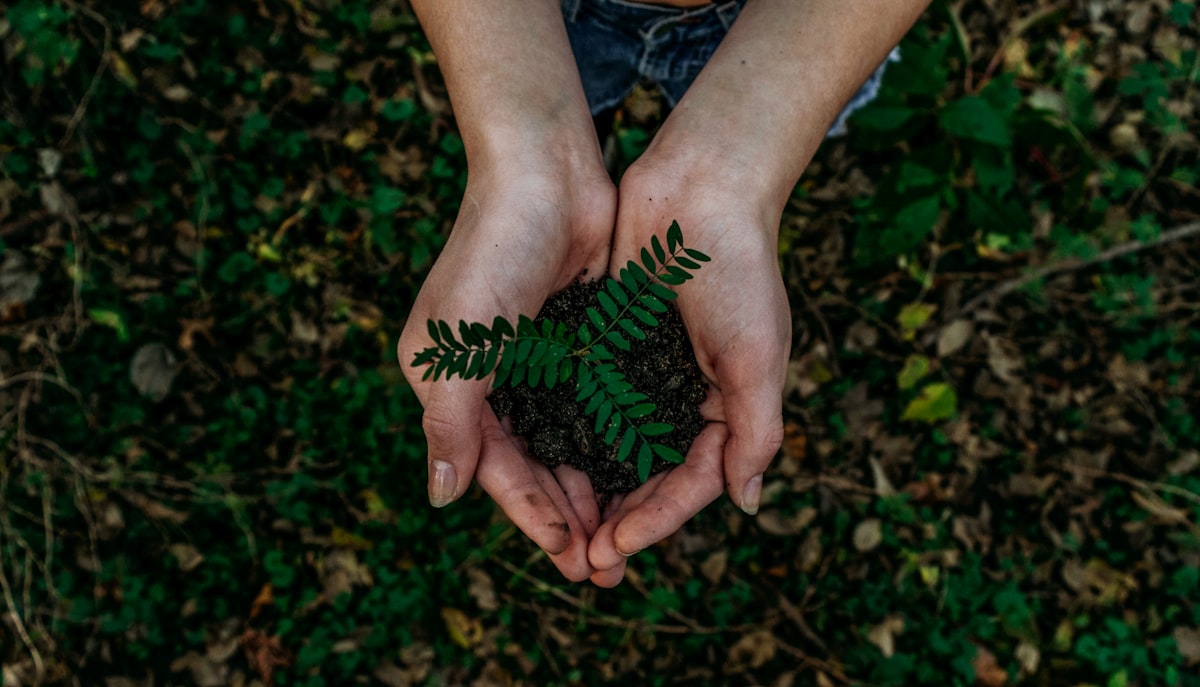
The ecological transition will only be solid if the public has access to clear, contrasted and accessible information. That is why Paylaverio accompanies its readers with themed newsletters, practical guides and interviews with experts working in the field.
We invite you to become part of this reading community. Without urgency, without loud headlines: only useful knowledge to better understand the shared future and to take an informed part in the development of a greener Spain.
Staying informed is the simplest way to protect what matters: the air, the water, the landscape and the health of the people who will come next.